The purpose of this article is to help my clients to is to write content for your website, but you can use these 5 simple repeatable steps to write anything.
What is Website Copy and Content?
The content of a website is the text, images, videos and media that make up the page. The website will be planned around Pages which will be laid out, structured and designed around the images and text that you supply for that page.
Think of your content as the measurements you give a tailor before they make a suit.
A web designer can’t properly design your site until they know, at least roughly, what content goes on each page. After all, how can you tailor a suit without the measurements?
That’s why the best approach is to write your content first, then design your website to support it. The result is a site that is well written, well structured and easier for search engines to understand. Good website design is like a well-fitted suit: tailored to your content.
Free Download...
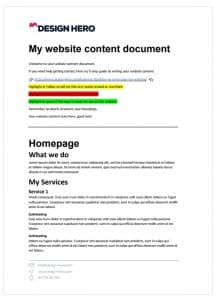
Download my free Copywriting template
Why is website content so important? When done right, your copy can make the difference between a lost customer, and a surefire sale.
Good content and copywriting can help you build trust with your customers, inspire an emotional response and convince customers to buy from you.
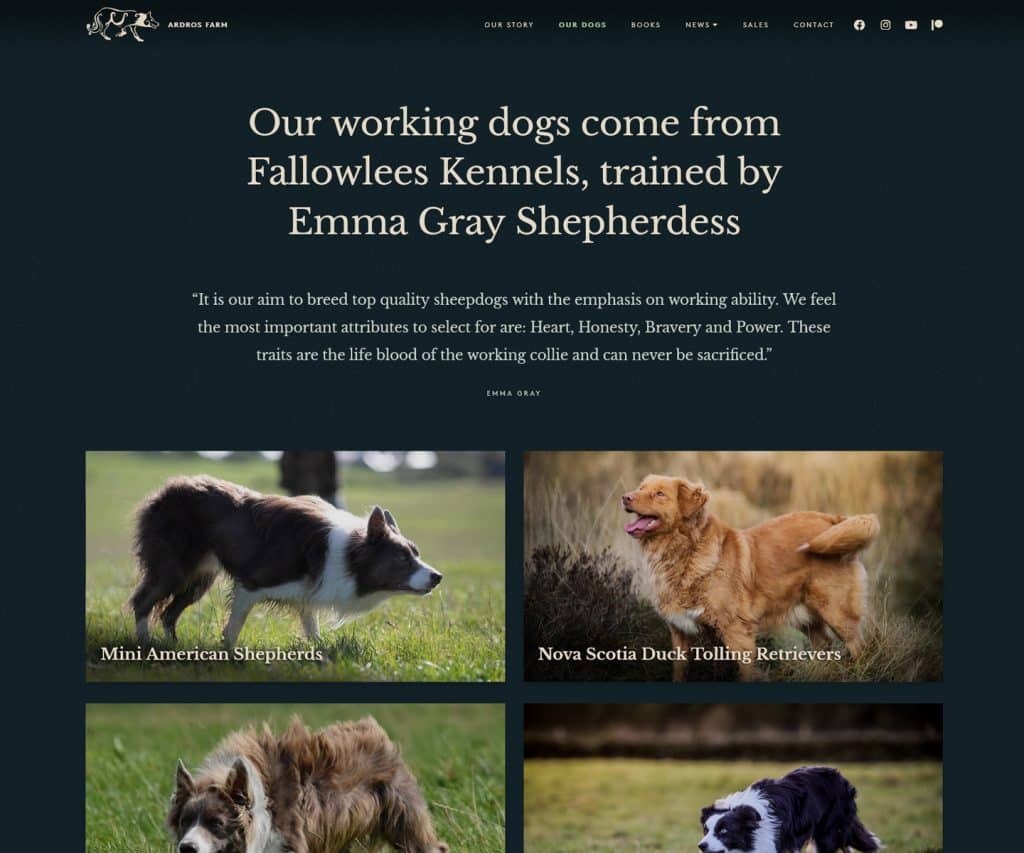
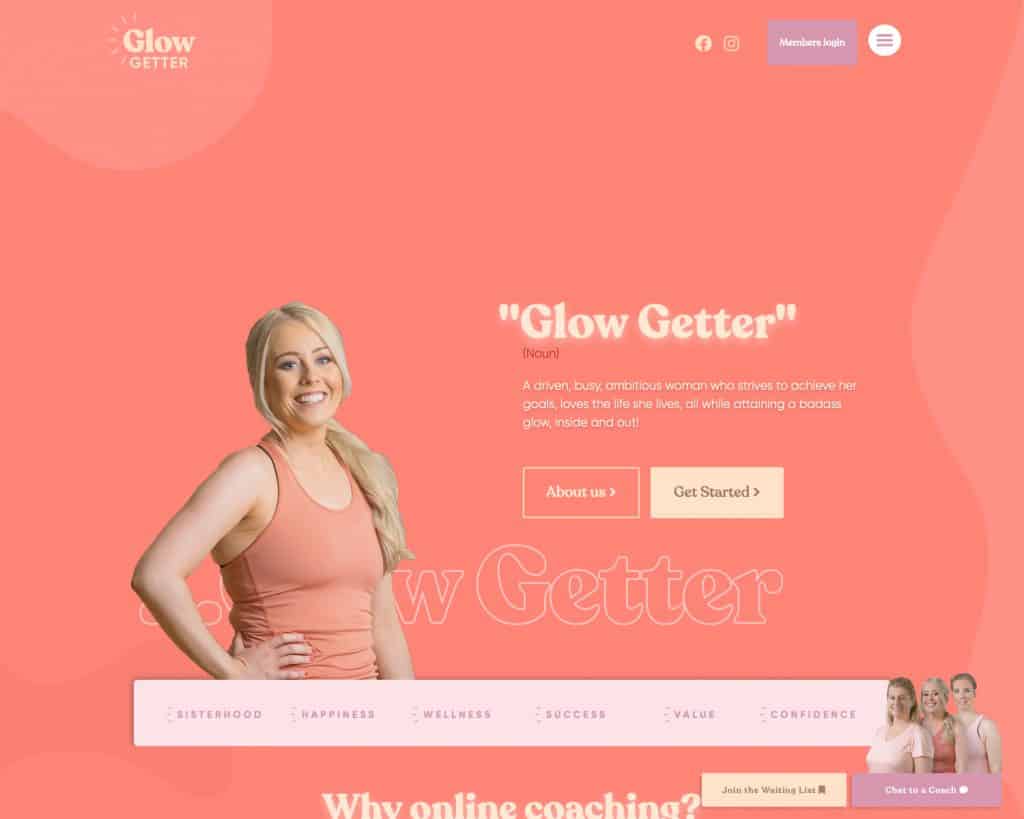
An Example of good copywriting which peaks users’ interest
You may have heard the phrase “content is king”. When it’s done right, your copy can be the difference between a lost visitor and a sale. Good content:
Builds trust with your customers
Inspires an emotional response
Persuades people to take action
Helps search engines understand what your pages are about, so you can appear for relevant searches
Don’t leave content until the end!
In a perfect world, Writing your content should be the first step in any project as it affects everything else that comes after.
In reality, web designers often start designing and building the website, while the customer writes their content at the same time.
Most people forget about writing their copy until the website is nearly ready to launch.
That’s why Supply of content is the most common sticking point in delaying website launches.
Planning, writing and editing your content can take weeks, and should not be left to the last minute.
How long does writing content take?
Creative writing is as much an art as it is a skill, and some people will be naturally better at it than others.
Even for experienced copywriters, it takes time to write and refine.
Good Copywriting takes time and skill
As a rule of thumb:
If you have experience with creative writing, write regularly, and know your subject:
you should allow for at least 1 hour per 500 words to write and edit your work.
If you aren’t comfortable with writing, haven’t don’t any creative writing in a while, or need to research your subject:
you should allow at least 2-3 hours per 500 words
This is approx 500 words on a sheet of A4
500 words fill approximately one sheet of A4 in a 12 point font.
You will also need to gather any existing images or arrange for photography or videography.
Some things you will need images of:
your services
staff
office/location
products
It will of course also take time to organize and arrange for photography or videographer if required.
If you have need of a photographer Design Hero can provide photography services, or recommend a photographer.
Where will people first see your content?
Most people won’t arrive at your homepage and read down. They’ll meet your content in one of three places:
Search results: your page title and description are the first thing people see.
Email: your subject line and opening line compete with everything else in the inbox.
Social feeds: your headline, opening line and image appear as a short preview.
All three are crowded, so the importance of your message alone won’t get it read. It also has to be interesting enough to earn the click. Keep that in mind as you write your headlines and opening paragraphs.
Before you start: write a content brief
Before you write a word, spend 30 minutes writing a short brief. It keeps you focused and saves a lot of rework later. It also gives anyone helping you (a designer, a copywriter, a friend) what they need. Cover these points:
Your business: what you do, who you help, where you work, and what makes you different.
Your goals: what you want the site to achieve, such as enquiries, bookings or sales.
What’s wrong with the current site (if you have one): for example, it doesn’t attract enough enquiries, looks outdated or is hard to update.
Your audience: who they are, what they worry about and what they need to know before they contact you.
Competitors and examples: a few sites you like or dislike, and why.
Existing material: analytics, testimonials, case studies, brochures, photos and anything else you already have.
Who supplies what: which copy, images and video you’ll provide and where you’d like help.
Timing and approvals: your target launch date and who signs off the content.
A good-looking website matters, but the content is what helps visitors understand your business, trust your brand and take action. It should communicate your value, answer questions and guide people towards one clear goal, such as making an enquiry or buying a product. Here are the practical tips I use.
Focus on your audience first
The most common mistake is writing about yourself instead of your customers. Visitors arrive looking for a solution, so explain:
How you can help
What makes your business different
Why they should choose you
Use clear, simple language
Most visitors skim before they read. Avoid technical jargon, complicated terminology and long paragraphs. Short sentences and plain words are easier to understand and keep people on the page. George Orwell’s rules, such as “never use a long word where a short word will do” and “if it is possible to cut a word out, always cut it out”, still apply. They’re set out in his essayPolitics and the English Language.
Write headlines and opening lines that earn attention
Your headline and first paragraph do the most work. They’re often what appears in search results, emails and social posts, so they have to make people want to read on. Here is how I approach them:
Put the most important point first. Journalists call this the inverted pyramid. If you have to cut something later, cut from the bottom.
Be clear before you are clever. Visitors are busy, so don’t leave them guessing what the page is about.
Leave a little mystery. Headlines that pose an interesting question or make a surprising statement tend to get more clicks than those that give the whole answer away. A good opening line then adds some nuance, and the page delivers the rest.
Test your headline on its own. If you saw it in a list of search results, would you click?
The first section of every important page should quickly explain what you do, who you help and why it matters. Visitors should understand your offer within a few seconds. A clear value proposition reduces confusion and keeps people engaged.
Structure content with headings
Good website content is easy to scan. Use H2 headings, H3 subheadings, bullet points and short paragraphs. Headings improve readability and help search engines understand what each page covers. Keep them in a logical order (don’t skip from an H2 to an H4 just for the styling).
Write accessible content
Accessible content is easier for everyone to read, and it makes your site usable by people with disabilities. The principle is simple: people should be able to perceive, understand, navigate and interact with your content. In practice:
Use plain English. Short sentences, familiar words, and spell out abbreviations the first time you use them.
Write descriptive link text. “Read our guide to writing a content brief” is better than “click here” or “read more”, because screen reader users often navigate by links alone.
Add alt text to meaningful images. Describe what the image shows and why it matters, and leave it empty for purely decorative images. See theW3C guide to image alt text.
Don’t rely on colour or position. Avoid phrases like “see the red button” or “the box on the right”.
Provide captions or transcripts for video and audio.
Use real headings and lists, not bold text that only looks like a heading.
For more detail, see theWCAG guidelines and Brighton & Hove City Council’scontent style guide for a good example of plain, accessible writing.
Write for people and search engines
SEO matters, but write for people first. Use relevant keywords naturally in your headings, page titles, introduction and body text. Avoid keyword stuffing, which makes for a poor reading experience and can hurt your results. Start with the question your reader is asking, then check your keywords afterwards. My guide toSEO keywords explains how, andcommon SEO mistakes covers what to avoid. If you want your pages to be useful in AI-generated answers too, seehow to build websites that appear in Google AI Overviews. Google’s own advice is to createhelpful, people-first content.
Focus on benefits, not just features
Many businesses describe features and forget the benefit. For example:
Feature: “24/7 customer support.”
Benefit: “Get help whenever you need it, reducing downtime and keeping your business running smoothly.”
Include trust signals
Trust is essential for conversions. Support your content with customer testimonials, case studies, reviews, industry certifications, and awards. Seetrust signals every UK business website needs.
Create clear calls to action
Every important page should guide visitors to the next step, such as “Contact us”, “Request a quote”, “Book a consultation” or “Get started today”. Strong calls to action turn visitors into leads and customers. For more, readhow to boost landing page conversion.
Keep content updated
Outdated content damages credibility. Review your site regularly: update information, add new services, refresh statistics and improve existing pages. Keeping your pages accurate and current helps visitors and supports your search visibility over time. If you manage your own site, my guide toupdating your WordPress website will help.
If you write blog posts, give each post one clear point, one story or one insight. Let the length follow the message rather than a word-count target, and publish when you have something worth saying rather than to hit a schedule.
Optimise for local search
If you serve a local area, include your service areas, local keywords, location pages and local case studies. This helps search engines (and customers) understand where you operate. SeeSEO-friendly web design in Glasgow for an example.
How do I get started with writing my website content?
Before you put pen to paper, or digits to keyboard,
There are a few tips to keep in mind when writing your copy:
Just keep writing to preserve your flow
Many people are totally daunted by the task of write website content and don’t know where to start.
The best advice is:
You’re not writing Shakespeare! Concentrate on basic sentences & paragraphs, and the rest will come later.
Mind Your Tone
you should think about your overall strategy for your copy.
should it be casual and informal?
or professional and informative?
First-person or third person?
The answer to this depends on your brand and business.
If you’re an edgy woman’s fashion brand then your copy should be bold, casual and confident.
If you’re a chartered accountant then your copy should be formal and professional.
Keep your brand in mind when your writing your copy.
Write with Purpose
The second thing to keep in mind is why you are writing in the first place.
Once you get into a flow it’s easy to keep writing and forget what you’re supposed to be saying in the first place.
It’s important to remember what the purpose of your copy is in the first place. Your copy might have a number of different purposes at the same time:
To educate
To inform
To sell
To convince
The five steps
Decide on your pages
Split pages into sections
Bullet-point your headings
Flesh out your bullet points
Edit, edit, edit
I’ll walk through them using a small independentbuilder as the example. We’ll build up the copy in stages with a simple bullet-point system, which keeps you focused on the purpose of each page and helps you get straight to the point.
get straight to the point with bulletpoints
If you follow these simple step by step instructions below and your content will practically write itself!
Step 1- Decide on pages for your website
The first thing we’re going to do is decide what pages you need for your website.
Write these down as a series of bulletpoints, which will start to form a sort of sitemap for your website:
Bob the Builder’s website
HOME
SERVICES
ABOUT
CASE STUDIES
CONTACT
Step 2- Divide each page into sections for your website
Now we have a list of our pages for our website.
We’re going to expand these bulletpoints with sections on each page.
Think about what essential information you need to communicate to your customers.
We’ll add these as subitems for each bullet point.
Bob the Builder
HOME
Summary about Bob
SERVICES
Extensions
Alterations
Repairs
ABOUT
Experience
Accreditations
CASE STUDIES
CONTACT
Call
Email
Step 3- Create your headings
This part is about establishing a hierarchy on your page.
This is for two audiences:
For Users
For Google
Both are equally important.
There is a very particular style of writing for the web that doesn’t come naturally to most people:
You see, web users are a bit like goldfish.
The average user has an attention span of about 3 seconds
your average website user has a short attention span
Think short sentences and punchy statements.
Your inner pages will have longer paragraphs of text, but for the homepage, everything is going to be very brief, right to the point and no flowery words.
Users like to skim ready so they need to be able to pick out the structure and important bits on your page. A good hierarchy of headings will help users, and Google, to understand what your page is about.
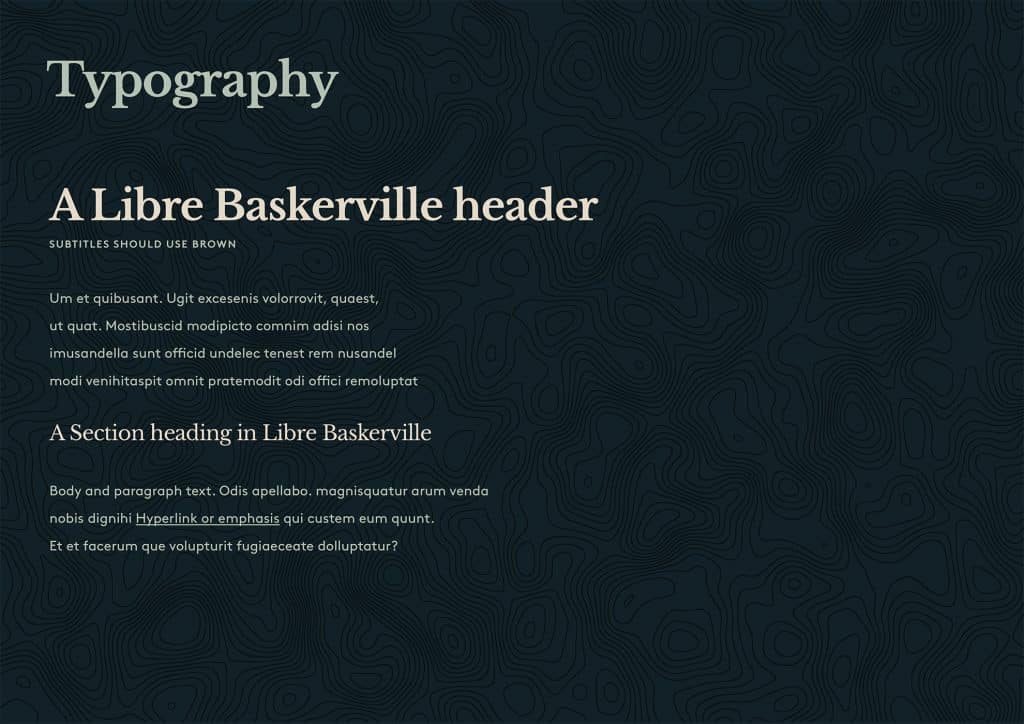
this is a good example of heading hierarchy
It’s important that Google can determine what your page is about, so it can rank you for those search terms.
So, back to our bulletpoints. we’re going to start adding more sub-items to flesh out our content with hierarchical headings:
HOMEPAGE
Summary about Bob
How Bob goes above and beyond to make sure the job is done on time and on budget
Bob has a string of happy clients
He works in Glasgow and surrounding areas
SERVICES PAGE
House extensions
Modern
Traditional
Single storey
Garage conversion
Save money on moving
Commercial
New build
Conversions
Alterations
Industrial
Improve security
Add facilities and infrastructure
Alterations
Internal layout alterations
Adding or removing doors and windows
Repairs
Re-roofing
Property maintenance
Emergency repairs
ABOUT PAGE
Experience
15 years’ experience
Worked at Balfour & Betty before going independent
Accreditations
HSE registered
Fully insured
Gas Safe registered
CASE STUDIES PAGE
New house extension
The problem
What we did
The result
Testimonial
Property maintenance
The problem
What we did
The result
Testimonial
CONTACT PAGE
Call 01234 456 789
Email bob@bobthebuilder.com
Step 4- Flesh out your copy
Now start writing in earnest. Your bullet points keep you on track. For each one, write a bullet point and then expand it into a sentence or two. Aim for one large, high-quality image or video for each main section.
Don’t worry about mistakes, grammar or spelling yet. It doesn’t matter if your sentences are wonky at this stage. A good flow matters more, and you’ll revise everything in the next step.
Tell a story in your case studies. A good case study has context, a problem and a solution. Name the place and the customer, describe what you did and quote their reaction. Stories hold attention in a way that a list of services doesn’t. Use the Problem / What we did / Result / Testimonial structure from the bullet list above.
How long should each page be? Length should follow the message, not a quota. As a rough guide:
Page type
Rough guide
Notes
Homepage
300–600 words
Brief and scannable, with clear links to deeper pages
Service page
500–1,000 words
Enough to answer the common questions and objections
About page
300–600 words
Your story, experience and accreditations
Case study
300–600 words
Problem, solution, result, testimonial
Contact page
100–250 words
Make contacting you effortless
Blog post
800–1,500 words
One idea per post; shorter is fine if the point is made
These are rules of thumb, not targets. A short page that answers the question beats a long one that doesn’t.
Here’s how Bob’s homepage bullet points become rough copy:
About Bob Bob does high-quality building services for residential and commercial clients in the UK. We do big and small budget porch extensions and other services including large house extensions. We work in Glasgow and beyond, with extra special care for our customers. We’re professional and diligent. Remove the stress project management too. We have many happy clients. Contact us now.
Our Building Services A range of building services to our clients across Glasgow and beyond:
EXTENSIONS House extensions — Running out of space? Don’t move yet, get an extension instead. Traditional and modern styles. We do both single-storey flat roof extensions, or garage conversion and more.
Commercial Units …
Step 5- Edit, Edit, Edit
This is arguably the most important stage, and the most time-consuming. Nobody gets it right the first time. Even famous authors spend most of their time editing and rewriting, and many have another professional check their work. We’re not just fixing mistakes: with each pass, we make the copy read better.
You may not have that luxury, but a few passes will make a big difference. Use this checklist:
Cut. Remove every word that doesn’t earn its place, and replace long words with short ones.
Lead with the point. Put the most important idea first in each section and each paragraph.
One point per section. If a section covers two ideas, split it.
Check the purpose. Is each section educating, informing, selling or convincing, and is it clear which?
Read it aloud. Anything that sounds awkward when spoken will read awkwardly too.
Do separate passes for meaning, then length, then spelling and grammar. Trying to fix everything at once usually misses things.
Ask someone else to read it and tell you what the page is for.
Here’s Bob’s copy after editing. It now reads like a sales pitch:
About Bob Bob the Builder provides high-quality building services for residential and commercial clients throughout the UK. Our projects range from small-budget porch extensions all the way up to large house extensions. We operate from our base in Glasgow, and we handle your project with care and professional diligence at all times. We take the stress out of the process by managing your project from start to finish. Our many happy clients will tell you that we go above and beyond to make sure you are satisfied. Contact us now for your free quotation.
Our Building Services We provide a range of building services to our clients across Glasgow and beyond:
EXTENSIONS House extensions — Are you growing out of your home? You don’t have to move just yet. With a high-quality house extension, you can save money and gain more space. From traditional to modern, we can provide a house extension for all tastes. Whether you need a single-storey flat-roof extension or a budget garage conversion, Bob the Builder can help you grow your home.
Commercial Units …
You can see the progression, and how the copy now resembles a real website. Once it’s padded out with images and video, it’ll look great.
Finishing touches: titles, descriptions and alt text
When your copy is edited, add the details that appear in search results and help people who can’t see the images:
Page title: write a unique, descriptive title for every page. Titles that are too long get cut off in search results, so keep them concise (around 60 characters is a sensible target, though the cut-off depends on the width of the characters). See Google’s guidance ontitle links.
Meta description: write a short, unique summary for each page that makes people want to click. Google may rewrite it, but a good one often gets used. See Google’s guidance onsnippets and descriptions.
Image alt text: describe each meaningful image briefly and specifically (see the accessibility tip above).
Link text: check every link says where it goes.
Keywords: run through your page headings and introductions and check your main search terms appear naturally. Keyword research is covered by mySEO services.
How Long Does It Take to Write Website Content?
Creative writing is as much an art as a skill, and some people are naturally better at it than others. Even experienced copywriters need time to write and refine. As a rule of thumb:
If you write regularly and know your subject: allow at least 1 hour per 500 words to research, write, edit and proofread.
If you’re out of practice or need to research: allow 2 to 3 hours per 500 words.
500 words fills roughly one sheet of A4 in a 12-point font. You’ll also need to gather images, or arrange photography or video of your services, staff, location and products. Design Hero can provide photography or recommend a photographer:just ask.
Typical timelines
How long the whole project takes depends on the size of the site, the research needed and how quickly feedback comes back:
Small business site (home, about, 3–5 service pages, contact): a few days to two weeks.
Medium-sized site (multiple service pages, industry pages, location pages, blog): two to four weeks, allowing for keyword research, competitor analysis, internal linking and optimisation.
Large or enterprise site (dozens or hundreds of pages): several months, with stakeholder input, content strategy, technical reviews and multiple approval rounds.
What affects the timeline?
Industry complexity: a local café needs less research than legal, healthcare, financial or technology content.
Research: competitor, keyword, industry and customer research is often the most time-consuming part.
Number of pages: every page needs planning, writing, optimisation and editing.
Feedback and approvals: many delays come from approvals, not writing, especially with multiple stakeholders.
SEO and optimisation: keyword targeting, internal linking and FAQs add time but improve results.
Can AI speed it up?
AI tools can help with outlines, topic research and first drafts. High-performing content still needs human editing, strategic messaging, SEO expertise and brand alignment. The best approach combines AI efficiency with professional review.
How to speed things up
Prepare your service information, brand guidelines, customer insights, existing marketing materials, and case studies and testimonials. Providing these early (your content brief is a good start) helps writers work faster and produce stronger content. Rushing usually produces generic messaging that doesn’t set you apart.
Using your written content on your website
The 5 steps above should give you at least a great starting point for your writing website content.
Now we need to get your hard writing content for a website.
I say this to everyone in advance:
Don’t take it personally if I tweak or change some of your content.
I always use as much of it as I can but I will break some of it down, move some of it about, some of it will be on different pages than you expect, and some I will cut or change completely.
Don’t be alarmed when you see the website and your content is a little different!
I will always explain the reasons behind doing everything,
but it all basically comes down to what we call Conversion:
that is making a user on the site send you an enquiry email, or hire equipment online, that’s basically the whole purpose of the website!
Before users will contact you, or buy your services, first they must trust you enough to commit.
That’s where good copywriting shines. Good copywriting establishes trust and inspires action!
An example of very creative website copywriting
Why is Copywriting essential to convert customers on your website?
Well written content converts visitors into customers and helps you rank higher on Google. That’s why in the design industry, they say that content is king. 👑 Your “copy” is the written content that goes on your website pages. Google likes fresh content, so it’s important to refresh your website regularly.
Simply put, more visibility on Google means more sales! 👀
But good copywriting takes hours…
Why is copywriting so important for my website?
There are two main benefits to having well-written content;
Content defines your brand’s tone and informs your user.
Good content not only turns visitors into customers
it’s essential for ranking on Google
You need to think about what is going on all of your website pages. This means copy (writing), photography, video, testimonials, downloads, files and any other media which makes up the site.
Your “copy” is the written content that goes on your website pages. Your website pages will be laid out, structured and designed around the images and text that goes on that page. This means your content is the single most important thing to think about before you design a website.
Good content turns website visitors into paying customers
Imagine you are building a house: How could you start to build a house without having the plans with room sizes, shapes and dimensions?
Your website pages will be laid out, structured and designed around the images and text that goes on that page.
You could just start building, but your house might end up a bit wonky and you’ll need to go back and rebuild parts of it. This can be a very expensive way of doing things.
But good copywriting is more than just snappy headlines. Good copywriting conveys your brand, the personality of your business, and can convince customers to buy into your business! What’s more, it’s essential to helping your website rank on Google…
Professional copywriting is essential to rank on Google.
Google likes fresh content, so it’s important to refresh your website regularly. By keeping your site updated regularly, you are improving your site’s visibility on Google. More visibility means more sales! 🤑
This means writing fresh content regularly or updating previous content. Your content is a load of bread, don’t let it get stale! By updating your site a little bit at a time you can stay on top of your updates and keep your website up the Google rankings.
How to write content for your website?
Copywriting is not for everyone. There are lots of online resources to help you develop this unique skill. You don’t need to be Shakespeare to write copy. For tips on writing copy for your website:
List all the main pages of your site as page headers
Under each page header list bullet points of the key information you want to get across.
Expand each bullet point with a list of relevant sub-topics.
Write x500 words for each main bullet point in notes.
Write x250 words for each sub-point in notes.
Use these notes to create proper English paragraphs and sentences.
Make sure your tone matches your audience.
If you repeat these steps, you’re already on your way to writing your website copy!
Allow plenty of time to write your website content
Nearly all clients struggle with writing the content for their website, and this is the no1 hold up for all website launches. I understand if you’re really struggling with writing this content, I know you’ve been trying to do it for a while without much luck. I know you’re keen to get this site launched and start getting indexed on Google.
Supply of content is the most common delay in web design copywriting projects, and needs to be the number one priority for starting any website.
But it’s not for everyone. It’s a unique skill and requires a lot of time: time many business owners don’t have. Please bear in mind that writing copy is very time-intensive and is best started early to avoid delays!
If writing content for your website too much like hard work…
If you have experience of creative writing you should budget around 1 hour per 500 words to research, write, edit and proofread. If you haven’t done this before you should allow between 2-3 hours per 500 words.
If this sounds a bit too much like hard work, Design Hero can supply a Copywriter for whatever areas of the site you need, and can complement or adapt any copy you already have.
Different people will have different experiences with writing the content for their website. Some will hate it, some may enjoy the process of writing.
Everyone is different and has different aptitudes for writing.
Hopefully soon you’ll by tying away and your content will be finished in no time!
If writing really isn’t your thing, don’t worry about it!
You might have a partner or friend who can help you out.
I hope this article and the free download helps you get started with your website copywriting.
If that sounds far too much like hard work…
Design Hero can supply a Copywriter for whatever areas of the site you need, and can complement or adapt any copy you already have.
If you need help with copywriting service just give me a shout!
Got Questions about our Copywriting services?
❓ What is “copy” or “content”?
Copy or content refers to the writing and text on your website such as page headings, intro paragraphs, testimonials, any other text on the website. Your “copy” is the written content that goes on your website pages.
Your website pages will be laid out, structured and designed around the images and text that goes on that page.
That’s why in the design industry, they say that content is king.
This means your content is the single most important thing to think about before you design a website.
It’s also the number one reason for delays as it takes much longer to write than you’d think!
💵 How much does a professional copywriter cost?
The cost of a copywriter depends on how many pages, and what content you need to be written for your website.
Do you have just one service or several?
How much expert knowledge do our copywriters need to write your content?
Either way, the budget is within your control and Design Hero will quote your upfront for our professional copywriting service to write the content for your website.
✒️ How does your copywriting process work?
Once you’ve signed up for a copywriting package, our professional copywriters will contact you to ask for a brief summary of your business and services.
Then we’ll take that information, research your business niche, and write your content for you!
The length and detail of your copy will depend on your budget.
You’ll have a chance to approve your website content writing template before publishing and make any tweaks you’d like.
⏰ How long does it take to write good content for my website?
If you have experience of creative writing you should budget around 1 hour per 500 words to research, write, edit and proofread. If you haven’t done this before you should allow between 2 – 3 hours per 500 words.
Our professional copywriters are a little quicker at this, however, they have a work queue to respect.
Typically, once we have a brief description of your business and services, your content will be ready in a week or two!
Your approved content can be added to your website immediately.
📝 Can I make changes to my copy after my Website is live?
You will have the chance to review and request changes to your copy before it is published.
After signing off on your content you can of course still change the content on your own website.
I’ve written a handy guide to updating your website which every client gets after their website is launched to help you manage and update your own writing for business websites.
Of course, if you have a web maintenance and support package in place, I’m just a phone call away and I’m happy to make changes on your behalf
How to get unique content for your website?
Get unique content by understanding your audience, sharing original insights, using real experiences, conducting interviews, analyzing data, answering customer questions, and updating content regularly with fresh, valuable information.
What can you do if you aren’t sure how to create good content for your website?
If you’re unsure how to create good website content, research your audience, study competitors, use keyword research tools, follow industry trends, and consider hiring professional writers or content experts.
How to get content for my website?
You can get website content by writing it yourself, hiring freelance writers, interviewing experts, repurposing existing materials, gathering customer feedback, creating original research, and using content creation services.
How to write an About page for a website?
Write an About page by introducing your business, explaining what you do, sharing your mission and values, telling your story, highlighting achievements, and showing why customers should trust you.
About the author
Nicholas Robb, Founder
The original Design Hero founder, solopreneur and marketing expert; Nick will help you supercharge your business success with a broad skill-set spanning a range of digital marketing fields. If you want help growing your business...