

1. The Core Revenue Engine: Ticket Volume vs Total Cost Structure
At the centre of every competition business is one core principle:
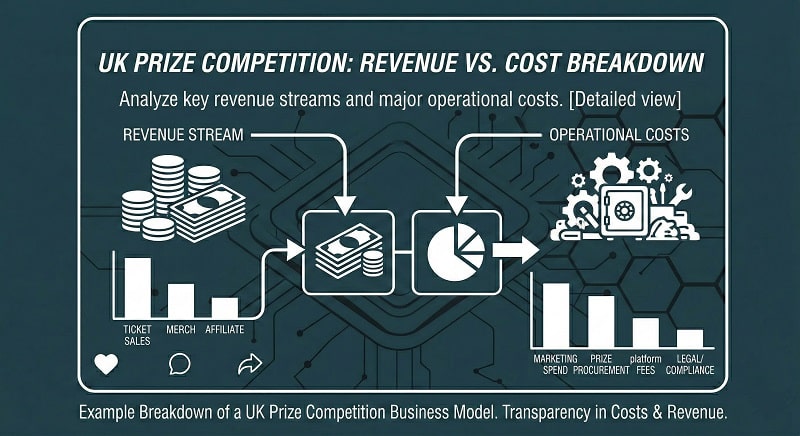
Revenue must exceed total cost by a sustainable margin.
However, understanding total cost properly is where most beginners fail.
Let us break it down realistically.
Imagine a UK competition offering a Porsche valued at £60,000.
The company decides to sell 40,000 tickets at £3 each.
Projected revenue:
40,000 × £3 = £120,000
Now the real breakdown begins.
Prize Acquisition Cost
The car may be listed at £60,000 retail, but trade acquisition could be £54,000.
Already, margin dynamics shift before a single ticket is sold.
Marketing Spend
To sell 40,000 tickets, the business may need:
- Paid social advertising
- Influencer promotions
- Retargeting campaigns
- Email automation
Marketing allocation could be £20,000 or more depending on audience size.
Payment Processing Fees
At 2.5 percent of £120,000:
£3,000 disappears immediately.
Operational Overheads
These include:
- Website hosting and performance infrastructure
- Development and maintenance
- Customer service staff
- Insurance
- Legal advice
- Fraud monitoring
- Prize delivery logistics
Operational allocation may reach £7,000 to £10,000 per competition cycle.
Example Final Cost Model
- Prize acquisition: £54,000
- Marketing: £20,000
- Payment processing: £3,000
- Operations and overhead: £9,000
Total cost: £86,000
Projected profit: £34,000
That is a structured model. Not guesswork.
This disciplined modelling approach is the difference between stable competition businesses and those that mirror patterns discussed in 3 reasons raffle sites fail, where poor financial planning leads to instability.
2. Psychological Pricing: Where Behaviour Meets Profit
Competition companies do not price randomly. They use behavioural economics.
The Power of Low Entry Pricing
A £2 or £3 ticket:
- Feels insignificant
- Reduces hesitation
- Encourages impulse decisions
- Makes bundle offers more attractive
The lower the perceived barrier, the higher the participation rate.
Bundle Psychology
Consider the following pricing structure:
1 ticket for £3
5 tickets for £12
10 tickets for £20
Most users choose the middle option.
Why?
Because:
- It feels like better value
- It avoids regret
- It increases perceived odds
If the average order value rises from £3 to £14, profit scales rapidly.
Pricing structure directly influences margin far more than ticket cost alone.
This is why strategic pricing is central to sustainable models, similar to the considerations in how to price raffle tickets.
3. Volume-Based Model vs High-Margin Model
There are two dominant approaches in UK competition businesses.
Volume Model
- Low ticket cost
- High ticket quantity
- Lower margin per ticket
- Larger audience
Pros:
- Scales well
- Encourages repeat participation
- Builds community
Cons:
- Requires strong marketing
- Sensitive to traffic fluctuations
High-Margin Model
- Higher ticket price
- Lower volume
- Higher revenue per entrant
Pros:
- Smaller audience required
- Higher margin per conversion
Cons:
- Higher psychological resistance
- Slower ticket sales
In the UK market, the volume model often dominates because it aligns with consumer psychology.
4. Customer Acquisition Cost vs Lifetime Value
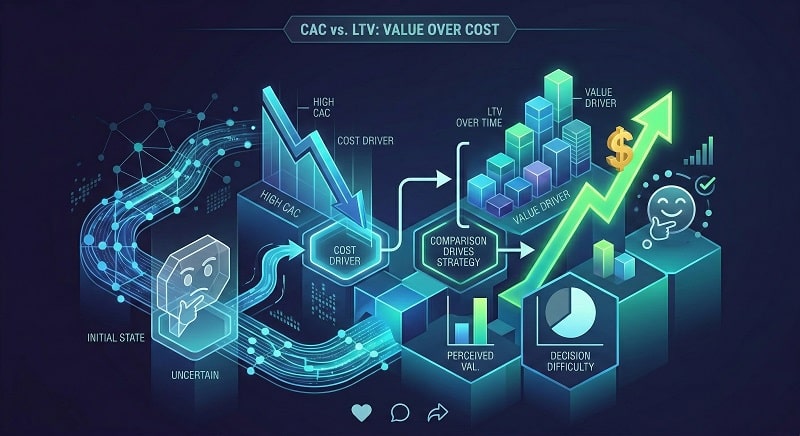
The biggest silent killer of competition businesses is customer acquisition cost.
If it costs £15 in advertising to generate a £10 order, the model fails.
But consider this scenario:
- It costs £12 to acquire a new entrant.
- That entrant spends £15 on their first competition.
- Then enters four more competitions organically via email reminders.
Lifetime revenue becomes £75.
The initial £12 acquisition cost becomes efficient.
This is why repeat entrants are critical.
Competition companies that rely purely on one-off participants struggle. Those who build communities scale.
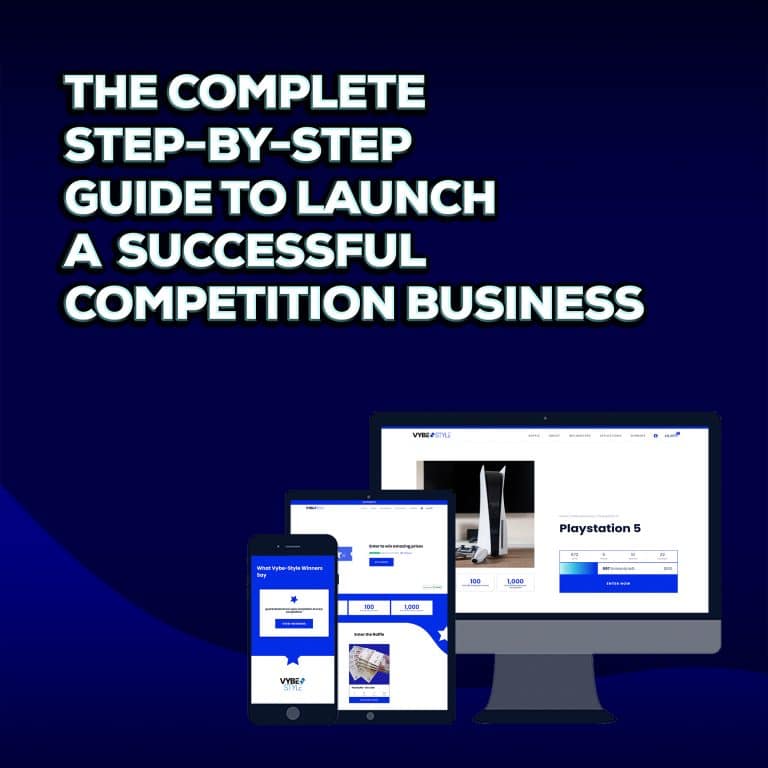
This retention logic is central to sustainable online models and aligns with principles discussed in competition business guide.
5. The Role of Marketing Channels in Profit
Most UK competition companies use:
- Meta advertising
- TikTok advertising
- Email marketing
- Organic social
- Influencer partnerships
- SEO
Paid advertising creates immediate traffic but compresses margins.
Organic visibility builds slower but increases profitability over time.
Companies investing in structured content and SEO reduce dependency on paid media. The benefits of this long-term strategy are explained in SEO benefits, and the same principles apply here.
When organic traffic grows, profit margins widen.
6. Risk Management and Forecasting
Competition companies face several risks:
- Ticket underperformance
- Rising ad costs
- Payment disputes
- Fraud attempts
- Compliance breaches
- Reputational damage
Well-run businesses:
- Model minimum viable ticket sales
- Cap marketing spend
- Secure prize at trade value
- Maintain clear compliance processes
Risk planning is essential.
Without it, even one poorly performing competition can erase previous profit.
7. Legal and Compliance Framework in the UK
UK competition companies must operate within legal boundaries.
They often structure draws as:
- Skill-based competitions
- Free-entry routes
- Clearly defined prize competitions
Failing to structure competitions properly can result in regulatory action.
Compliance costs money but protects long-term viability.
This is not optional.
8. Operational Systems Behind the Scenes
Behind every successful competition company is infrastructure.
This includes:
- High-performance hosting
- Secure payment gateways
- Automated email systems
- CRM databases
- Fraud detection
- Transparent winner verification
Operational stability directly affects profitability.
Poor systems increase refund rates, reduce trust, and damage revenue.
9. Trust as a Financial Asset
Trust is not just ethical. It is financial leverage.
Companies that:
- Publish winner photos
- Show live draw footage
- Maintain transparent terms
- Communicate clearly
Build repeat participation.
Distrust reduces conversion rates dramatically.
Long-term profitability is tied directly to reputation.
10. Scaling Beyond Single Competitions
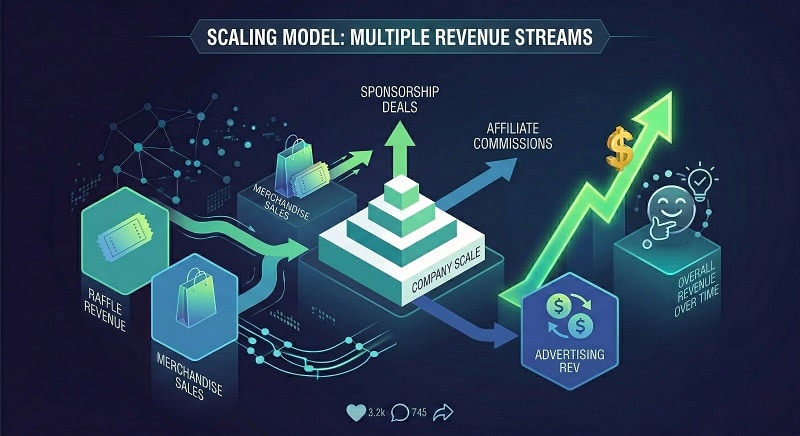
Some competition companies scale through:
- Multiple concurrent competitions
- Tiered prize structures
- Recurring weekly draws
- Subscription-style entry models
- Cross-promotions
Scaling introduces complexity but multiplies revenue potential.
However, scaling without operational control increases risk.
Structured growth matters.
Conclusion:
Competition companies do not make money because people like cars.
They make money because:
- Pricing is structured intelligently
- Volume is forecast realistically
- Marketing spend is controlled
- Acquisition cost is monitored
- Repeat participation is encouraged
- Trust is maintained
- Operations are stable
Profit is not accidental.
It is engineered.
The businesses that treat competitions as disciplined commercial models survive and scale.
The ones that rely on hype, guesswork, or inflated expectations rarely last.
Competition companies make money when structure outweighs optimism.
Frequently Asked Questions
Are competition companies highly profitable?
They can be, but only when margins are carefully structured and marketing costs are controlled.
What is the biggest expense?
Marketing and prize acquisition are typically the largest cost centres.
Can you start small?
Yes, but prize value, marketing budget, and compliance must still be modelled carefully.
Is SEO necessary?
Yes. Organic traffic reduces reliance on paid ads and improves long-term margin.